Environment
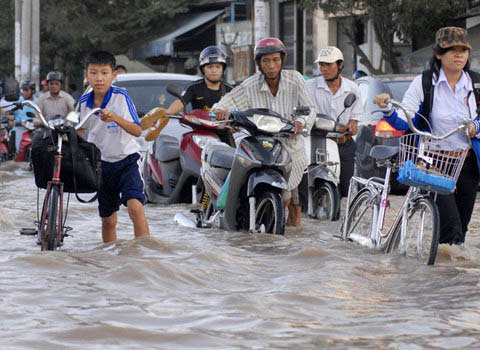
Losing 40% of the Mekong Delta if the sea level rises by one meter
One meter sea level rise, nearly 40% of the Mekong Delta area is submerged in water, which is the climate change scenario estimated for the end of this century, announce…
Browse ScienceInfo articles and explainers related to Extreme Weather.
119 published items.
One meter sea level rise, nearly 40% of the Mekong Delta area is submerged in water, which is the climate change scenario estimated for the end of this century, announce…

Temperatures in the city of Baghdad range from 2 degrees Celsius in the winter and up to 45 degrees Celsius in the summer. However, the articles in ancient Arabic reveal…
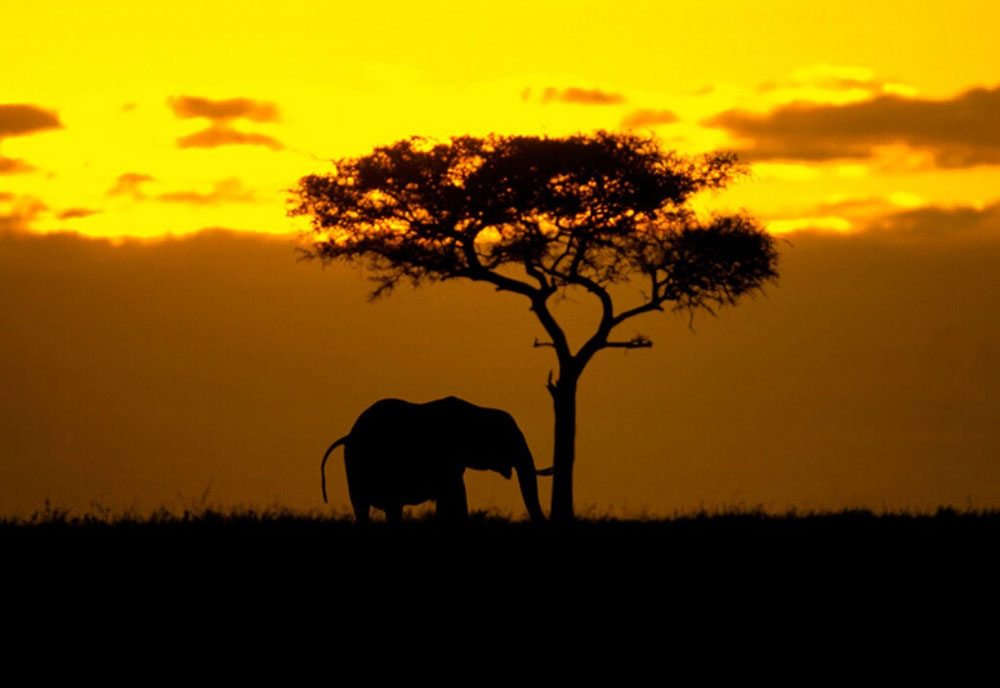
WMO's African program will enhance meteorological and hydrological services in African countries to reduce the risk of droughts, floods and other extreme weather events.
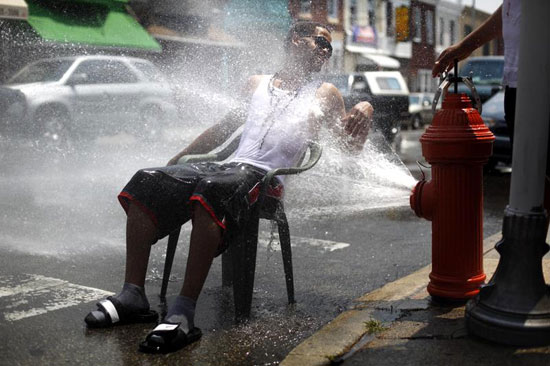
A record heatwave is spreading across 18 states in the United States, killing at least 13 people. Authorities say high temperatures combined with record humidity have la…
Tens of millions of Asians will be displaced by the effects of extreme weather events, the Asian Development Bank (ADB) warned.
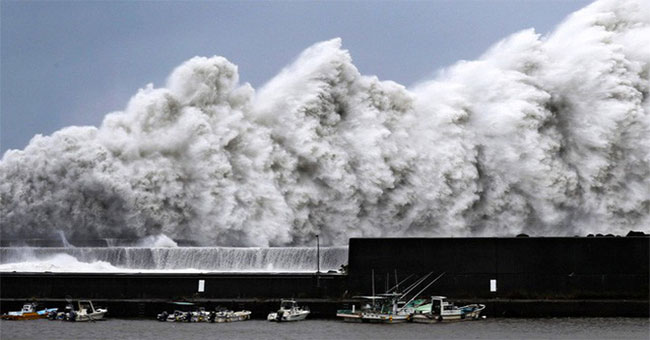
Japan is one of the countries with the most natural disasters in the world, and recently, the country of Cherry Blossom continues to suffer an additional 21st storm this…
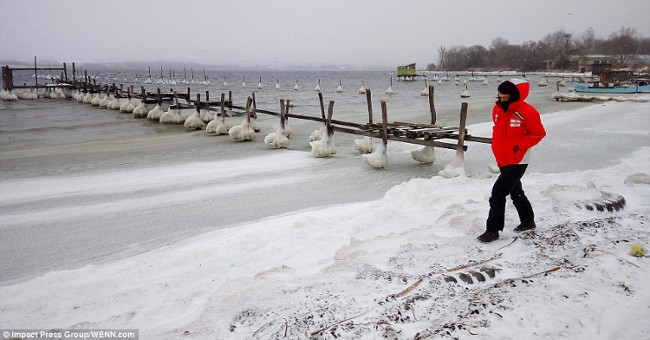
At least 27 people died in the harsh winter days in Europe, where temperatures dropped to minus 30 degrees Celsius.
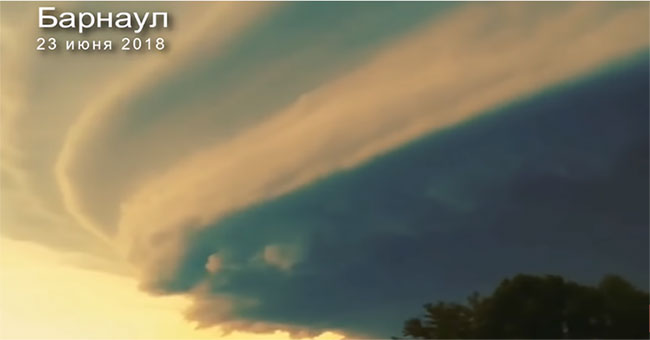
On June 23, a major storm struck the city of Barnaul, located in Siberia, Russia. This weather event caused great damage and some people were injured.
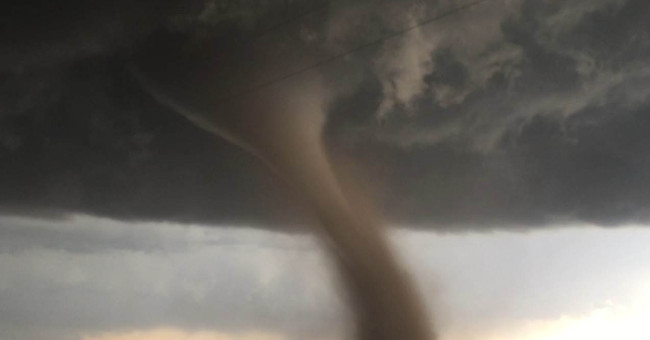
A driver recorded the horrific devastating cannons in the area it swept in Colorado, USA.
Scientists report that the Apocalyptic Clock's two needles will not move this year.
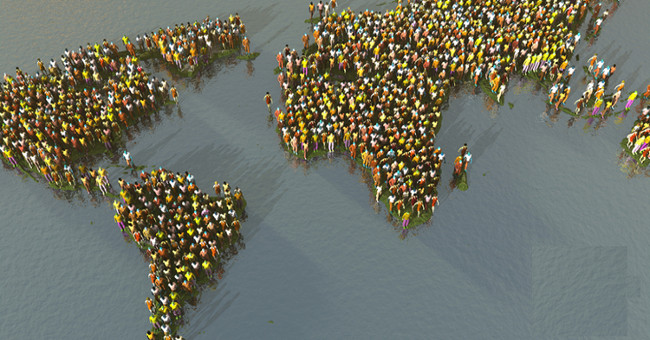
In the next 35 years, scientists estimate that the population on Earth will reach 9 billion.
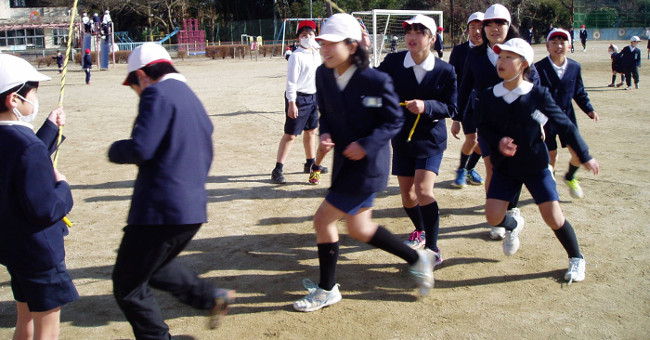
These days, many primary schools in Hanoi let children leave school because the temperature drops below 10 degrees C.

In the world there are many animals that do not live in one place, but every year they often move to other places over long distances.
The new technology will help to provide an earlier time estimate (about 12 months before the El Niño phenomenon) with a relatively high accuracy rate.